New Year, same old!

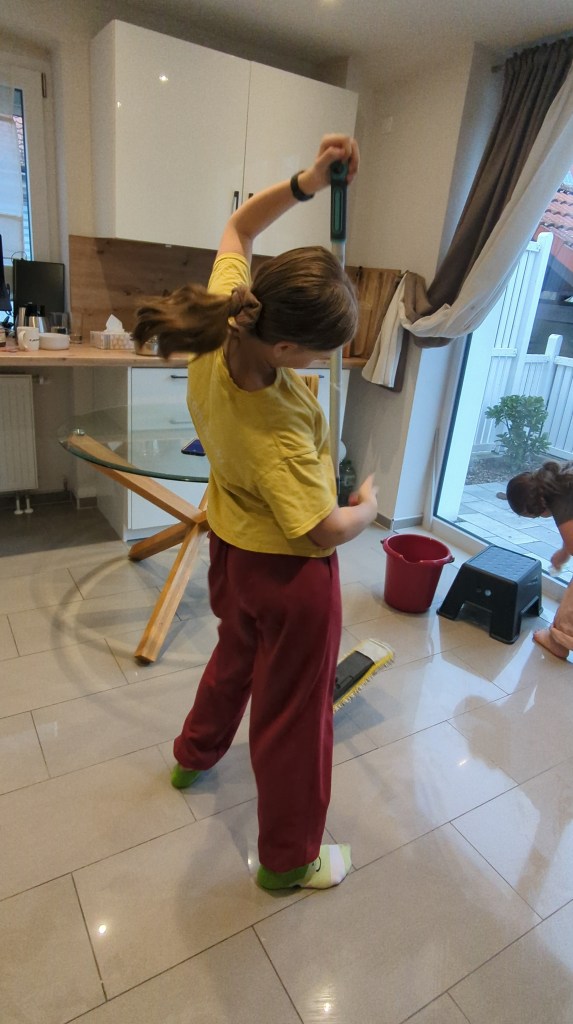
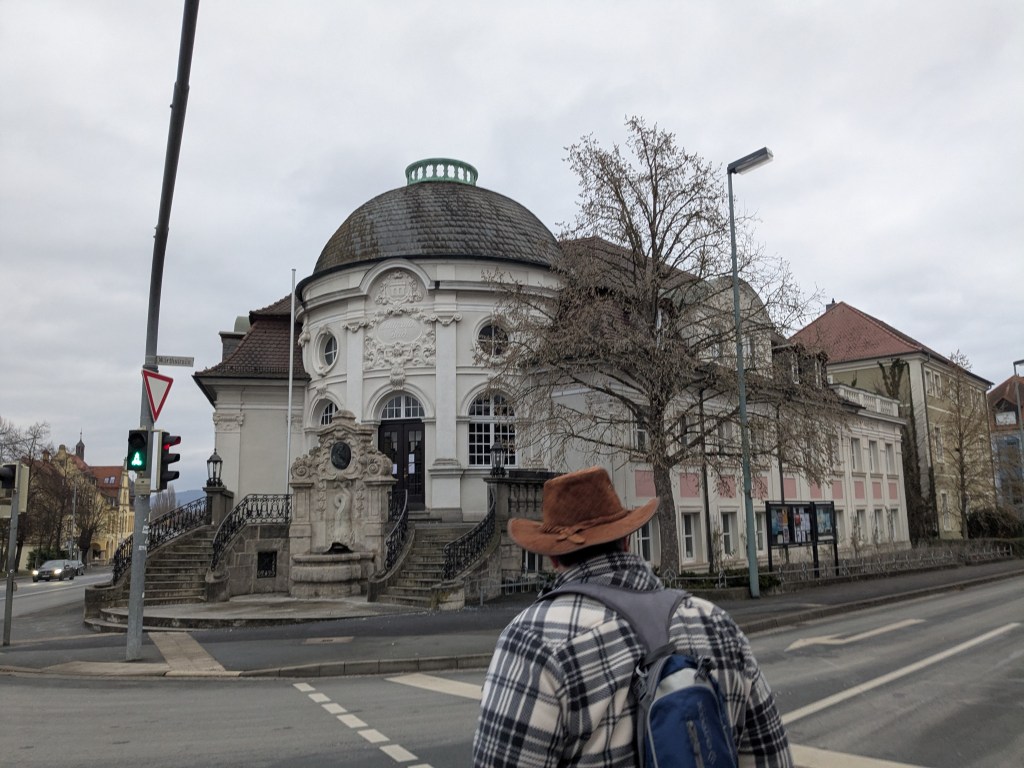
1/1/26 (in German that’s read as 1 of January, 2026), we had a quiet day, cleaning the house, taking a small hike around town, and then back home.

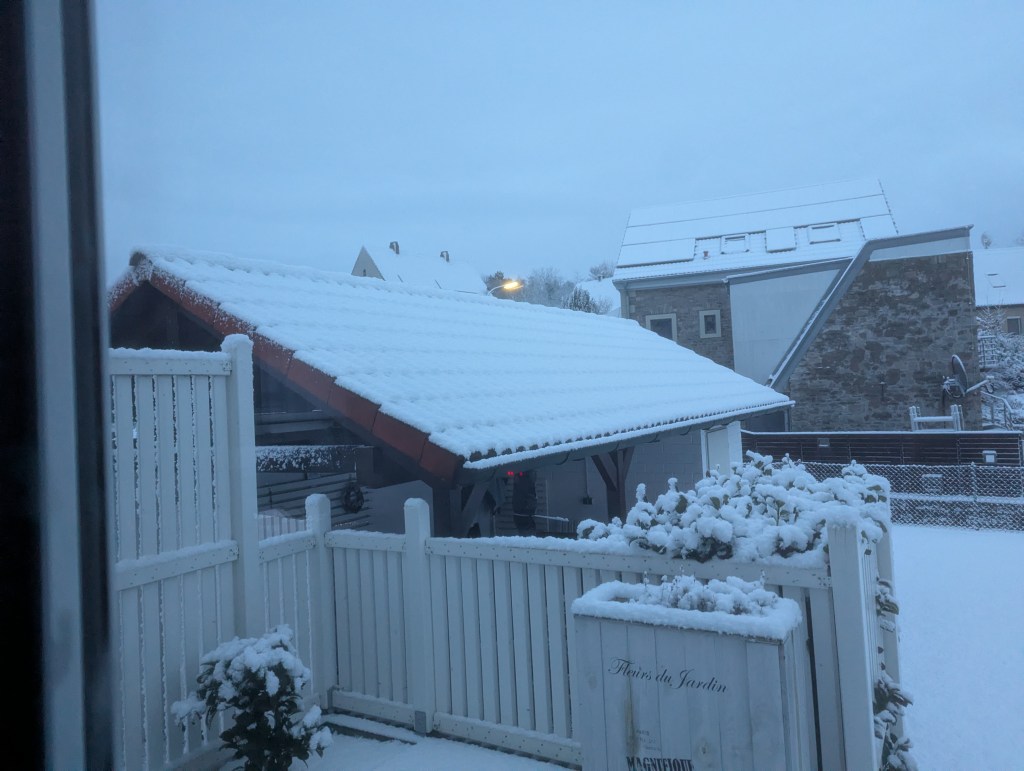
On 2/1/26, we had new snow!
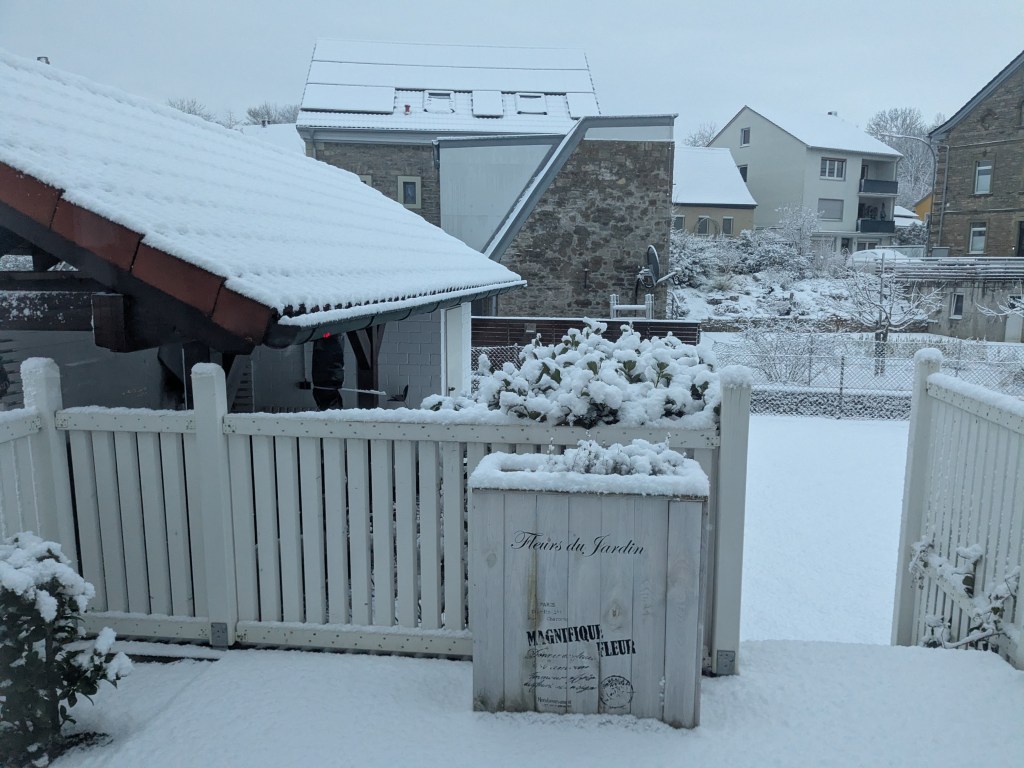
Meet sir fatsalot! A snowball-turned-into-large-representation-of-a-cartoon-character. The girls spent a fair amount of time outside making this “creature” and we were happy with the results.

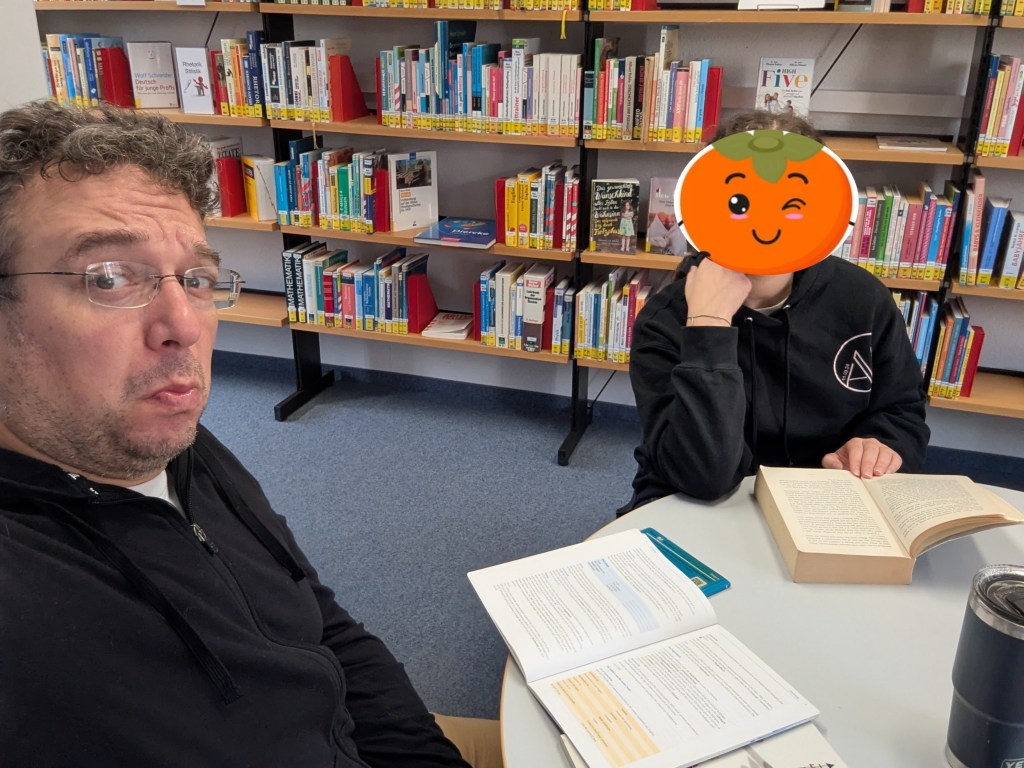
We also decided today was the day to visit the library. Turns out, they have an English section, and so we scored some books to read, a “learn German in 30 days” for JP. For 5 euro, we get unlimited access for three months to their online books, and can even take books home. Completely worth it!
3/1/26 was quite an experience in Wurzburg, and JP had a bit of an epiphany about Jewry in Germany. The community is super tiny here, even though there’s over 300k people that live here. The synagogue is part of a museum that was rebuilt to help people learn about the atrocities of the Holocaust, as well as provide a communal space for the Jews of the region. On shabbat and holidays, there’s a small minyan, led by a mostly Russian and Hebrew speaking rabbi. We were lucky to meet a wonderful person, Alex, who is fluent is 5-7 languages, and translated between Russian, Hebrew, German, and English. We enjoyed a lovely kiddush, and they even had freshly made sausage and salami! I think Romanian could take some notes
As for JP’s epiphany, essentially, his experiences in Germany have felt somewhat like we’re visiting a museum, looking inside, but the synagogues and communities we visit aren’t like some historical relic in a museum. For example, in Wurzburg the building is relatively new. The actual room where the service is held feels old, and may be a reconstruction of what existed 80 years ago. What was also fascinating to JP is that most German Jews were quite assimilated to German life by the time the Holocaust occurred. They were similar to what Americans might refer to as modern day reform Jews. This isn’t a slam on anyone, just an observation that the level of observance amongst most German Jews was quite low before the holocaust. Finding kosher food in a place like Wurzburg or Nuremburg wasn’t so easy, nor very sought after. We’ve been told that the communities back then weren’t keeping strict kosher, so the need for kosher meat, wine, bread wasn’t enough to keep a kosher butcher, baker, or store in business.
And this is where the museum reference comes into play. In Wurzburg, JP had the sense of a museum because this isn’t what communities are like back home. And he wasn’t expecting them to be like home. He wasn’t even sure what to expect. But the sense of having a synagogue supported by the government (without interference) is kind of a weird vibe. The people were lovely, the service was perfect, but there was something that was slightly off (JP’s words). 80 years after the war, a country that obliterated the Jewish population has deemed it essential to not only invite Jews back, but to financially support Jewry by providing security and funds for establishments, it’s an interesting perspective. JP basically feels like we’re observing people who are observing the rituals, but there are few people coming back (most young folk leave for Israel or larger cities or other countries). So, visiting these facilities creates a sense of looking in on the communities that existed, but aren’t growing again, and are kind of like being in maintenance mode. Preserved for the future to see what it was like, but not in a way that is replanting the destroyed forest for new growth, just a well maintained garden.
In the end, we loved the experience and look forward to our next visit!
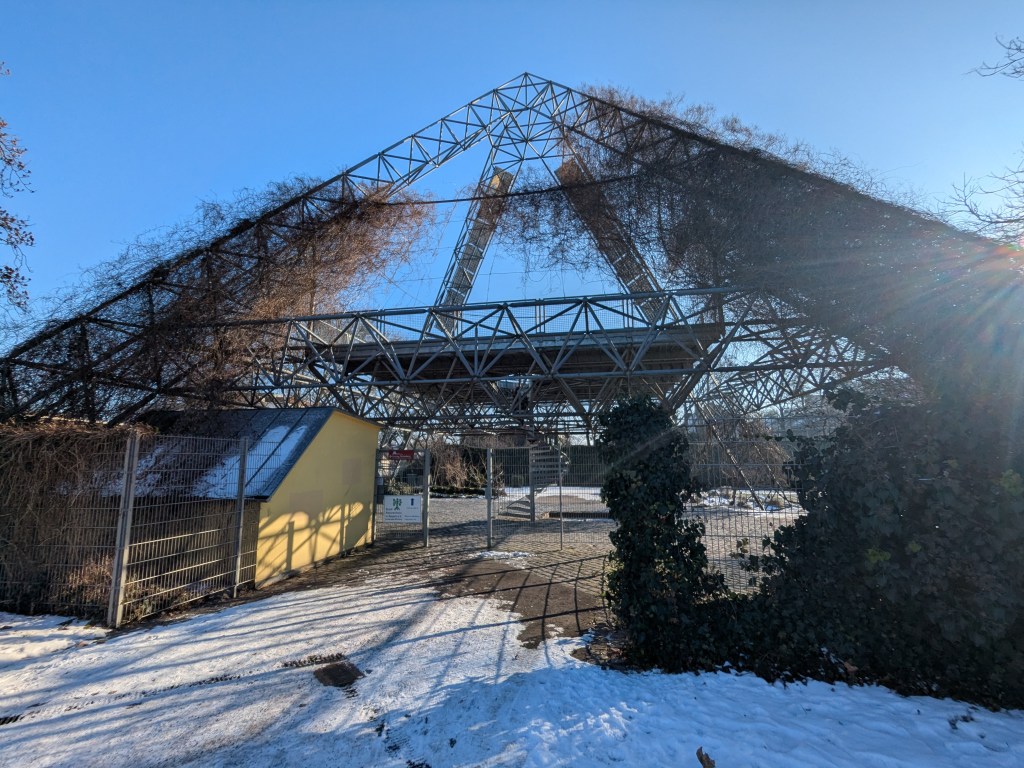
Sunday we can stroll around the city, found a new playground (this also had a zipline, and a little hut that JP barely fit in), but again, most places are closed. For dinner, we added a bag of Jumbo Fries, Extra Dick (see photo at the top)
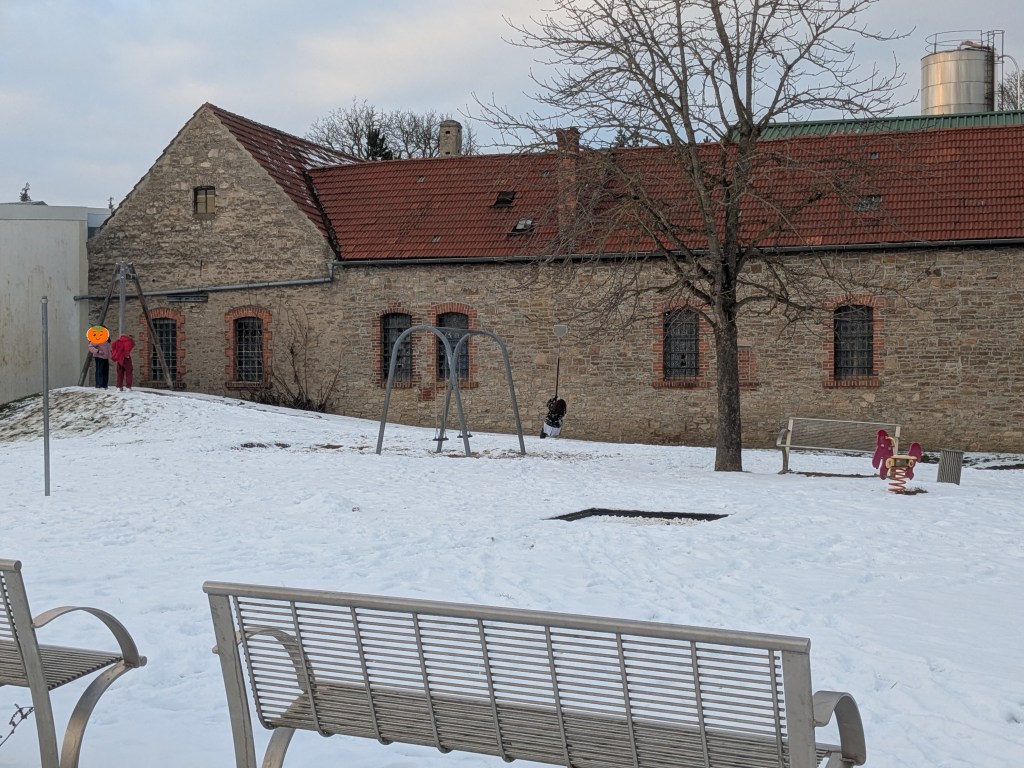
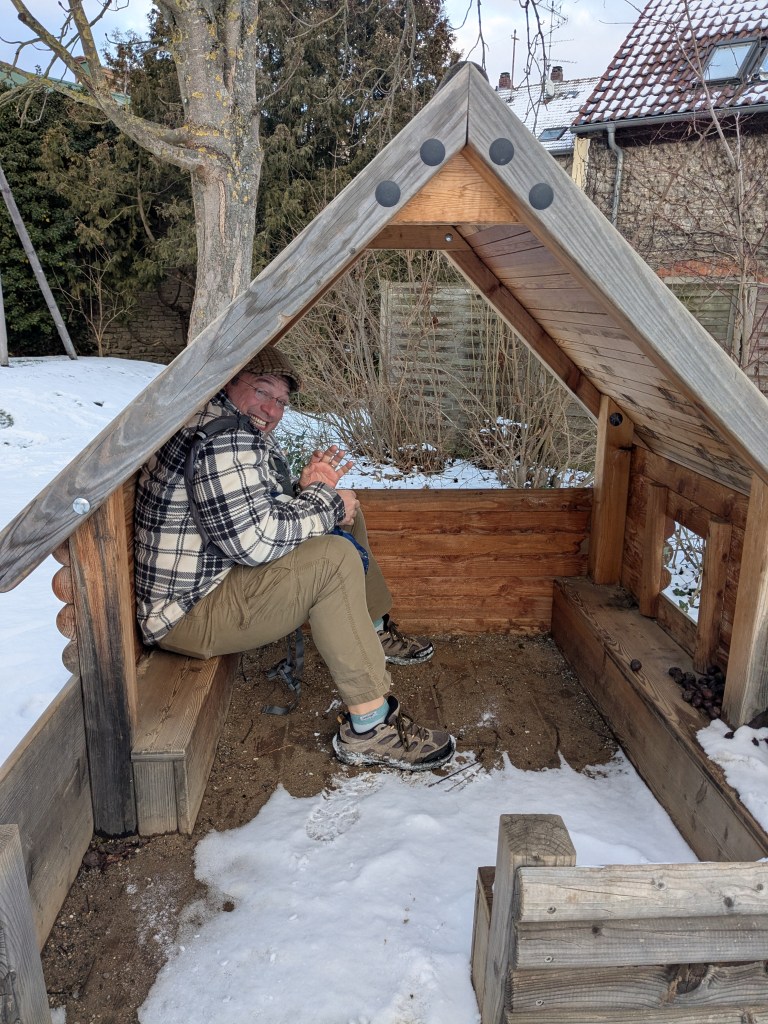
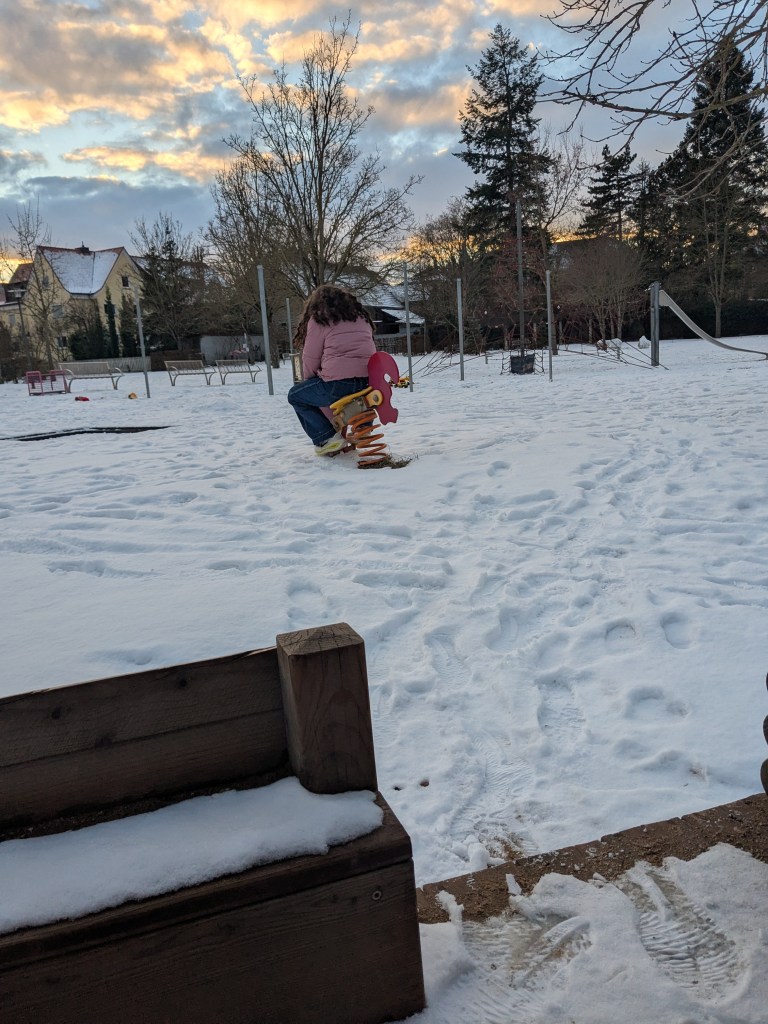
Don’t judge.
Monday found us taking a long walk back to the city’s big grocery store, Edeka. We scored some essentials, got some snacks, divvied up the load, and headed back home.
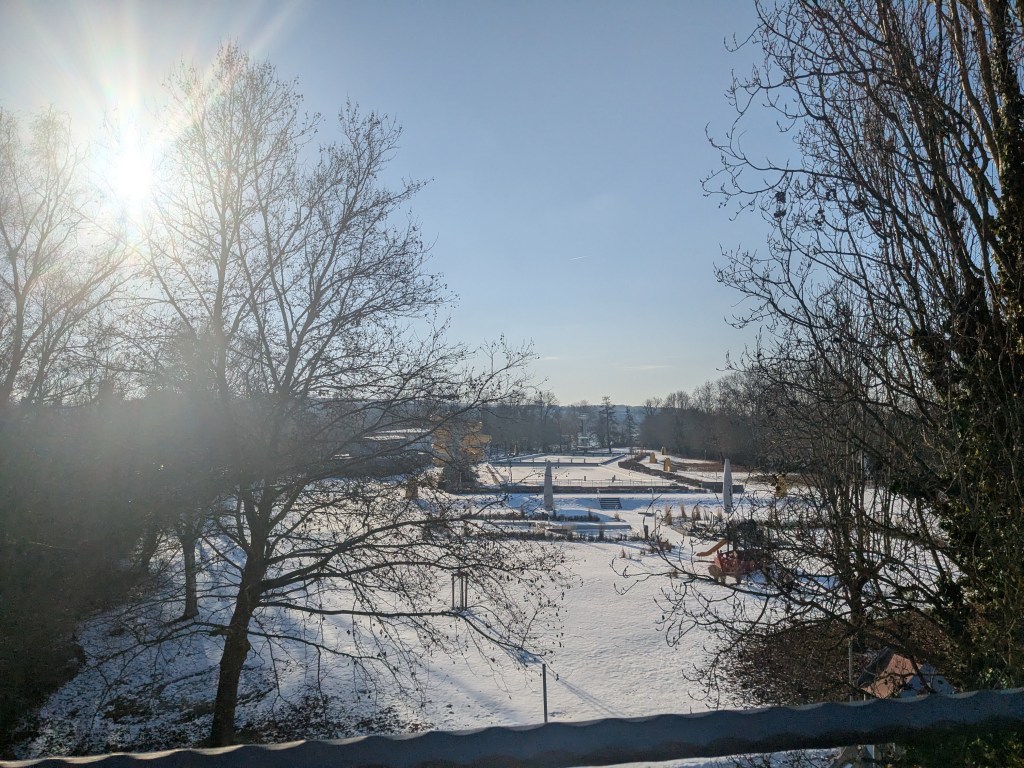
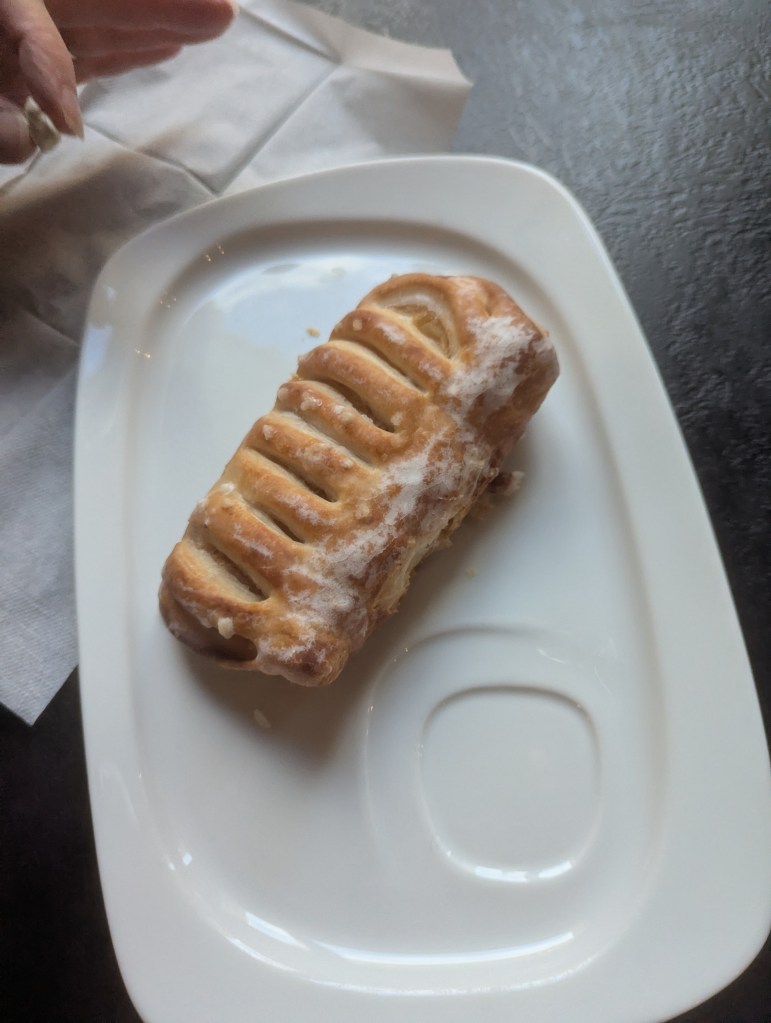
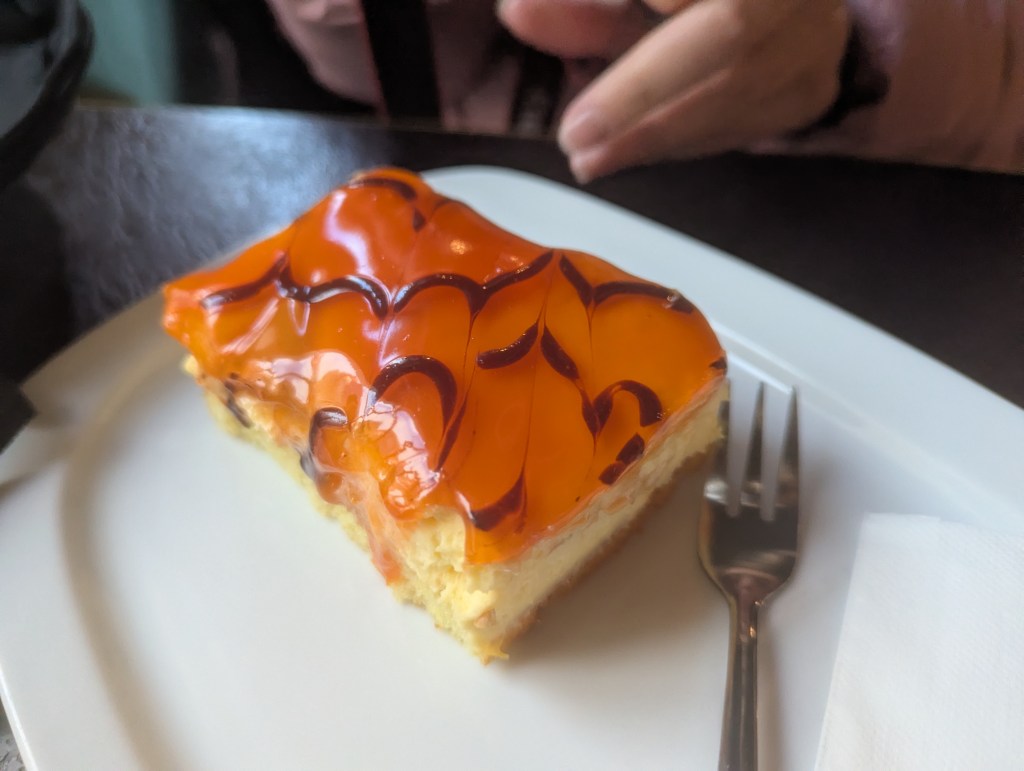


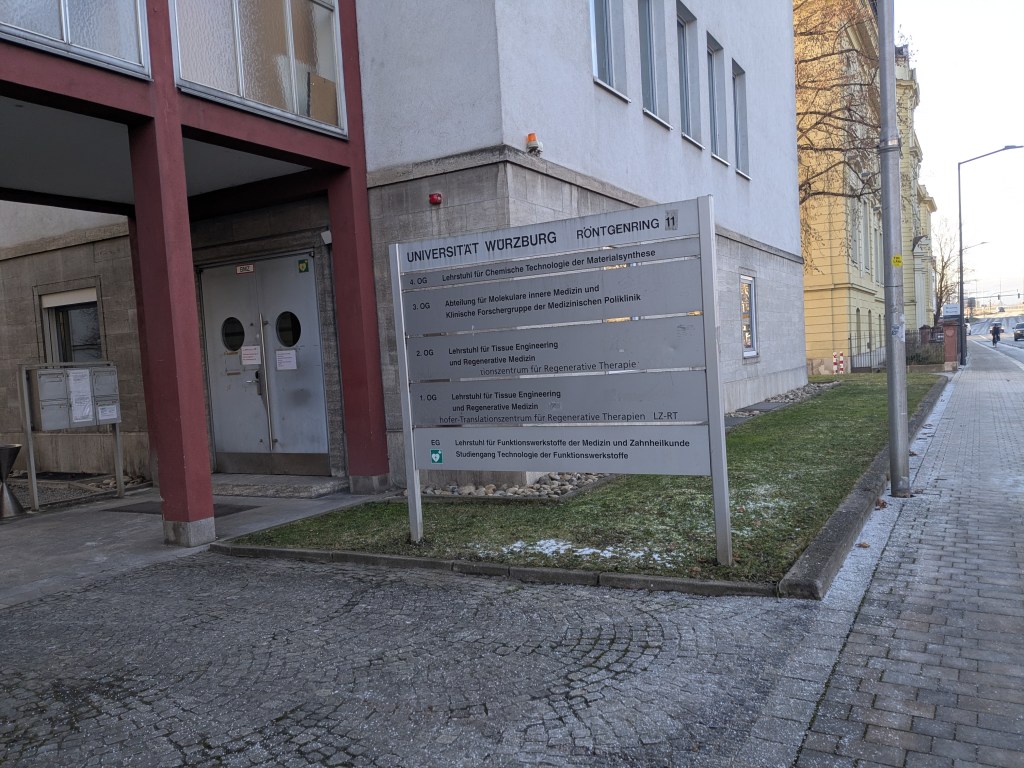
By Wednesday, JP took some paperwork to the government office to apply for registration (first step he needs to do before applying for his visa).
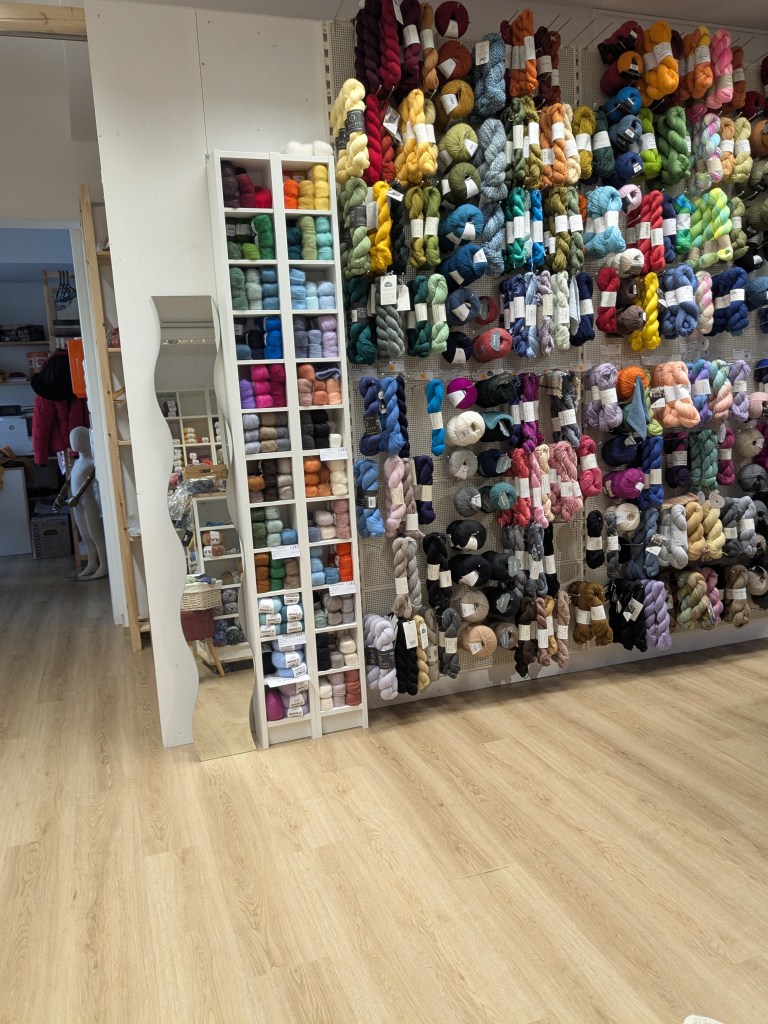
Then we headed off to Wurzburg for some activity time. Elyce took the AAs to try and find LazerTag (sadly you have to pre-register,and also must be at least 14), so they found some sculptures and a yarn store.
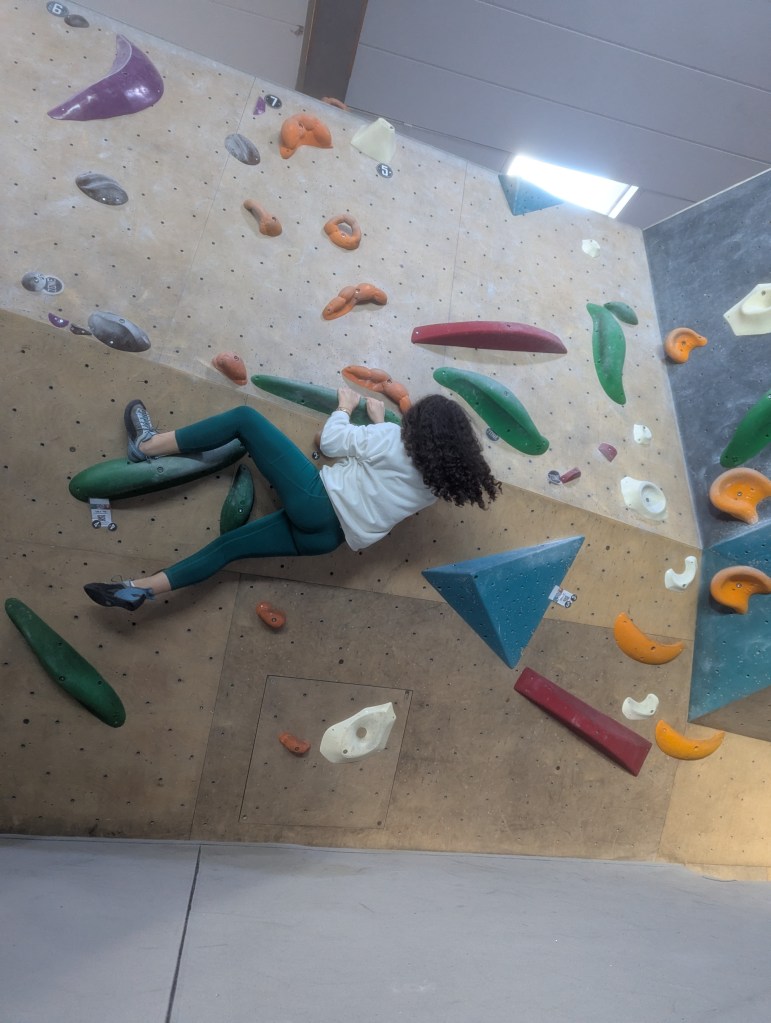
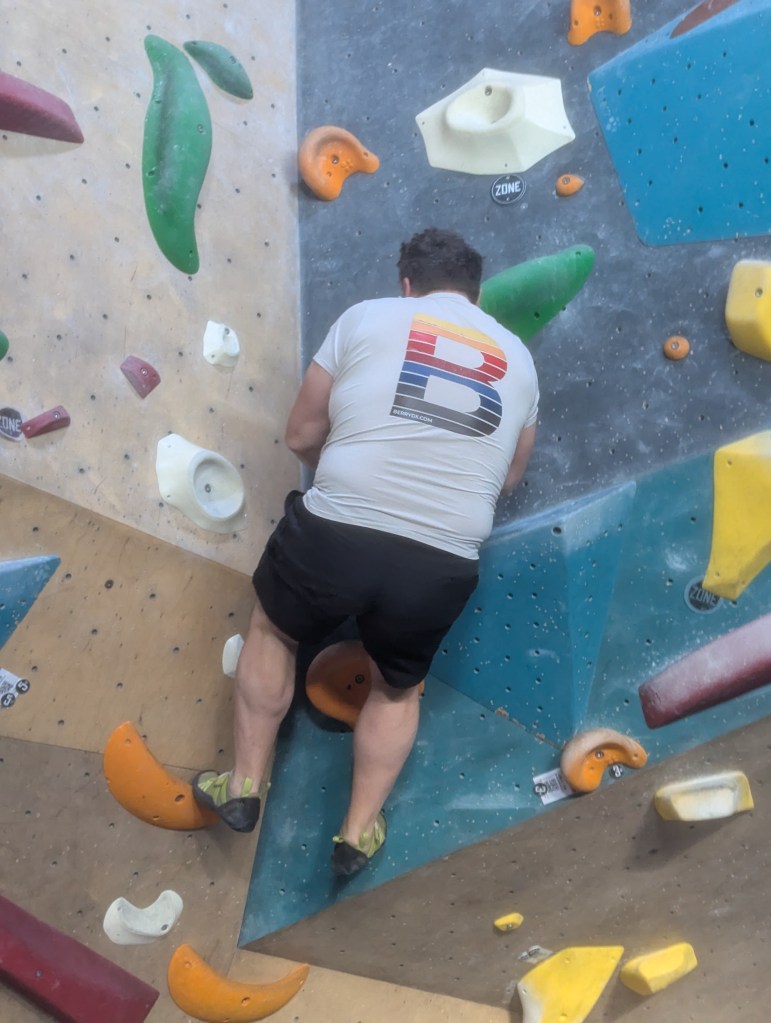
JP and Vered found the city’s climbing gym and spent some time bouldering!
JP also submitted all the paperwork to hopefully get his visa!
Hopeful all of this effort will pay off and we can stay longer than 90 days in the Schengen zone.


 Shenanigans Crossing Borders
Leave a comment